Understanding the psychological triggers that influence gambling behavior
The Nature of Gambling Addiction
Gambling addiction is a complex phenomenon that often intertwines psychological, emotional, and environmental factors. Individuals may be drawn to gambling as a means of escapism or as a way to cope with stress and anxiety. With the thrill of potential financial rewards, many players find the Casinacho app offers an engaging experience that can create a sense of euphoria, reinforcing gambling behavior and challenging individuals to recognize when their play has crossed into harmful territory.
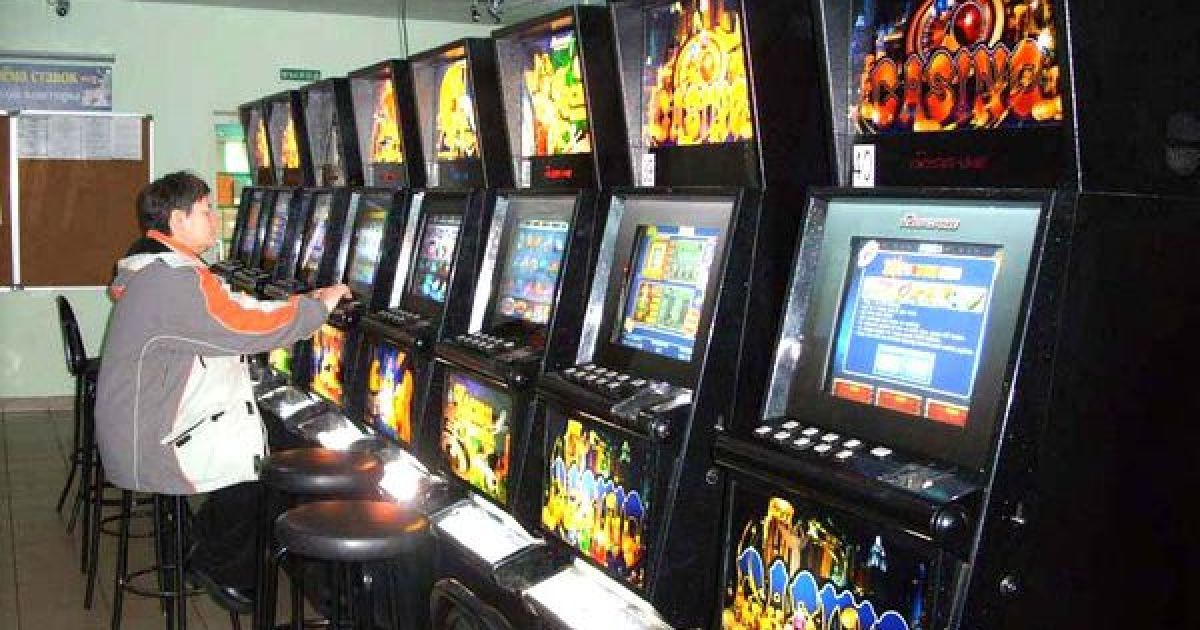
This addiction can develop over time, often fueled by the excitement and adrenaline associated with wins. The psychological aspect of reward systems in the brain can make losing a bet feel temporarily inconsequential compared to the rush experienced during a winning streak. This cycle can create a pattern of chasing losses, where individuals continue to gamble in hopes of recovering past losses, thus deepening their compulsive behavior.
Cognitive Biases in Gambling
Cognitive biases play a significant role in shaping gambling behavior. Many gamblers fall victim to the illusion of control, believing that they can influence the outcome of a game based on their skills or strategies. This belief can lead to overconfidence and increased betting, as individuals convince themselves that they are more likely to win than the odds suggest.
Another common bias is the gambler’s fallacy, where individuals believe that past events influence future outcomes. For instance, a player may feel that a particular slot machine is “due” for a win after several losses, prompting them to continue playing despite unfavorable odds. These biases can cloud judgment and contribute to poor decision-making, ultimately enhancing the risk of developing a gambling problem.
The Role of Emotional Triggers
Emotional triggers are pivotal in understanding gambling behavior. Stress, loneliness, and depression can lead individuals to seek solace in gambling as a means of distraction or relief. When they experience negative emotions, the temporary escape provided by gambling can be appealing, creating a dangerous cycle where gambling becomes a coping mechanism.
Conversely, positive emotions can also drive gambling behavior. Celebrations or feelings of exhilaration may prompt individuals to gamble as a way to enhance their enjoyment. The emotional highs associated with wins can reinforce the gambling habit, making it challenging to break free from its grip, regardless of the emotional context.
The Influence of Social Factors
Social influences significantly impact gambling behavior, shaping perceptions and attitudes towards gambling. Peer pressure can encourage individuals to gamble, especially in social settings where friends or family members participate. The normalization of gambling within certain social circles can create a sense of acceptance, making it harder for individuals to recognize the potential risks.
Additionally, social media and advertising can perpetuate the allure of gambling by showcasing glamorous lifestyles associated with winning. This can lead individuals to underestimate the risks involved, as they may only see the success stories without understanding the potential consequences of gambling addiction.

Casinacho Casino: A Responsible Gaming Environment
Casinacho Casino stands out as a premier online gaming platform that prioritizes responsible gaming. With a diverse selection of over 4,000 slots and live games, the site ensures that players enjoy their experience while remaining aware of the psychological triggers that may influence their gambling behavior.
By providing resources for responsible gaming, including tools to set limits and recognize potential gambling problems, Casinacho fosters a safe environment for players. With robust security measures and a commitment to fairness, Casinacho is dedicated to ensuring an enjoyable and responsible gaming experience for all users.