- Beautiful homes extend personality through curated style at thespinkings.co.uk
- The Art of Layered Textures and Colors
- Selecting the Right Neutral Base
- The Power of Lighting and Ambiance
- Choosing the Right Fixtures
- Furniture Placement and Spatial Harmony
- The Importance of Negative Space
- Incorporating Personal Touches and Accessories
- Extending the Style Outdoors: Creating Seamless Transitions
Beautiful homes extend personality through curated style at thespinkings.co.uk
Creating a beautiful and functional home is a deeply personal endeavor. It’s about more than just filling a space with furniture; it’s about curating an environment that reflects your personality, supports your lifestyle, and provides a sanctuary from the outside world. Many individuals and families find inspiration and expertly chosen pieces at thespinkings.co.uk, a destination dedicated to helping you achieve that perfect aesthetic. The right home décor can transform a house into a home, and the possibilities are limitless when you approach the process with intention and a keen eye for style.
The key to successful home styling lies in understanding the interplay between form and function. It isn't enough for something to simply look good; it must also enhance the way you live. From selecting durable fabrics that can withstand the rigors of daily life to choosing furniture layouts that promote flow and conversation, every detail matters. This detailed approach, combined with a focus on quality and individuality, is what sets sophisticated interiors apart. Finding resources offering curated collections makes this process significantly easier.
The Art of Layered Textures and Colors
One of the most effective ways to add depth and visual interest to a room is through the strategic use of textures and colors. Rather than relying on a single dominant shade, consider building a palette that incorporates a range of tones and materials. Think about the interplay of smooth and rough surfaces, matte and glossy finishes, and light and dark hues. For instance, pairing a plush velvet sofa with a rustic wooden coffee table creates a beautiful contrast that feels both inviting and sophisticated. Similarly, layering throws and cushions in different textures – linen, wool, silk – can add a sense of luxurious comfort. Don’t be afraid to experiment with complementary color schemes, but always aim for balance and harmony. A carefully chosen rug can serve as a foundational element, tying the entire room together and anchoring the color palette.
Selecting the Right Neutral Base
Before introducing bolder colors and patterns, it's crucial to establish a strong neutral base. This provides a calming backdrop that allows your accent pieces to shine. Popular choices include warm whites, soft grays, and earthy beiges. The specific shade you choose will depend on the overall mood you want to create. Warmer neutrals tend to feel more inviting and cozy, while cooler neutrals can create a sense of spaciousness and sophistication. Remember to consider the amount of natural light in the room, as this will affect how colors appear throughout the day. Testing paint samples in different areas of the room is always a good idea before committing to a final color. A versatile neutral foundation provides flexibility to redecorate with changing trends.
| Color Scheme | Dominant Texture | Mood |
|---|---|---|
| Warm Whites & Natural Wood | Rough Linen & Woven Rattan | Cozy & Inviting |
| Cool Grays & Chrome Accents | Smooth Velvet & Polished Stone | Sophisticated & Modern |
| Earthy Beiges & Leather | Distressed Wood & Thick Knits | Rustic & Comfortable |
Building upon a neutral base provides a beautiful starting point which allows for more adventurous decor choices without overwhelming the space. Consider how different textures complement each other; a smooth, polished surface paired with a rough-hewn piece of furniture offers a dynamic and engaging visual contrast.
The Power of Lighting and Ambiance
Lighting is often overlooked, yet it plays a pivotal role in shaping the mood and functionality of a space. A well-lit room feels more welcoming and inviting, while poor lighting can make even the most beautifully decorated space feel drab and unappealing. The key is to layer your lighting, combining different sources to create a balanced and versatile scheme. Ambient lighting provides overall illumination, task lighting focuses on specific areas for activities like reading or cooking, and accent lighting highlights architectural features or artwork. Dimmer switches are an invaluable tool, allowing you to adjust the intensity of the light to suit different occasions and moods. Consider the color temperature of your bulbs; warm white hues create a cozy and relaxing atmosphere, while cool white hues are more energizing and suitable for work spaces.
Choosing the Right Fixtures
The style of your lighting fixtures should complement the overall aesthetic of your home. From elegant chandeliers to minimalist pendant lights, the options are endless. When selecting fixtures, consider the size and scale of the room. A large chandelier can make a statement in a spacious living room, while a smaller pendant light might be more appropriate for a cozy bedroom. Don’t be afraid to mix and match different styles to create a unique and eclectic look. For example, pairing a vintage table lamp with a modern floor lamp can add a touch of personality and character to a room. Statement pieces like ornate lamps can elevate the entire aesthetic.
- Ambient lighting: general room illumination.
- Task lighting: focused on specific areas.
- Accent lighting: highlights features.
- Dimmable switches: adjust light intensity.
- Warm vs. cool light: impacts mood.
Utilizing a variety of light sources not only enhances the functionality of a space, but it also adds interest and drama, allowing you to truly personalize and transform your home environment. Thoughtful lighting can dramatically alter the perceived size and shape of a room.
Furniture Placement and Spatial Harmony
Effective furniture placement is crucial for creating a space that feels both functional and aesthetically pleasing. It's not simply about arranging furniture randomly; it's about considering the flow of traffic, the focal points of the room, and the overall balance of the space. Start by identifying the natural focal point, such as a fireplace, a large window, or a piece of artwork. Then, arrange the furniture to draw attention to that focal point. Avoid blocking walkways and ensure there’s enough space to move around comfortably. Consider the scale of the furniture in relation to the size of the room; oversized furniture can make a small room feel cramped, while undersized furniture can get lost in a large space. Creating conversation areas is also important, particularly in living rooms. Arrange sofas and chairs to encourage interaction and create a welcoming atmosphere.
The Importance of Negative Space
Don’t underestimate the power of negative space – the empty areas around your furniture. Negative space allows the eye to rest and prevents a room from feeling cluttered and overwhelming. It provides a sense of balance and harmony, allowing the individual pieces of furniture to stand out. Avoid filling every corner of the room with something; sometimes, less is more. Strategic placement of negative space can also create the illusion of more space. Using a minimalist approach to furniture selection and arrangement can be particularly effective in smaller homes. Allowing air to flow within a room contributes to a calm and peaceful atmosphere.
- Identify the focal point of the room.
- Arrange furniture to highlight the focal point.
- Ensure adequate traffic flow.
- Consider furniture scale and room size.
- Embrace the power of negative space.
Intentional furniture placement is a defining factor in how a space is perceived. Every piece should exist within a cohesive design narrative, contributing to the overall aesthetic. Successfully arranged furniture invites relaxation and functional living.
Incorporating Personal Touches and Accessories
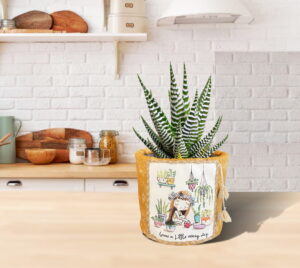
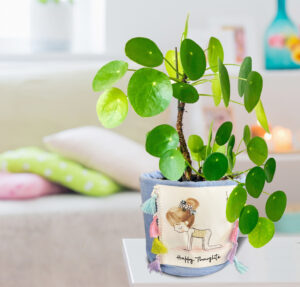
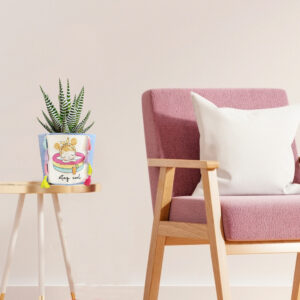
While a cohesive design scheme is important, a truly beautiful home should also reflect your personality and interests. This is where personal touches and accessories come into play. Displaying cherished photographs, artwork, and travel souvenirs adds a sense of warmth and authenticity to a space. Don’t be afraid to mix and match different styles and textures to create a unique and eclectic look. Bookshelves are a great way to showcase your personality and interests, while also providing functional storage. Plants can add life and vibrancy to a room, while also improving air quality. Small details, such as decorative pillows, throws, and candles, can make a big difference in the overall feel of a space. These elements humanize a home making it more inviting.
Incorporating unique finds from travels or family heirlooms provides a connection to the past and elevates a space beyond generic trends. Thoughtfully displayed objects become conversation starters and create a sense of belonging and comfort, truly transforming a house into a home.
Extending the Style Outdoors: Creating Seamless Transitions
The design of your home shouldn’t stop at the front door. Extending your style outdoors can create a seamless transition between indoor and outdoor living spaces, maximizing your enjoyment of your property. Consider using similar colors, materials, and textures in your outdoor furniture and décor. For example, if you have a neutral color palette indoors, you can continue that theme outdoors with beige cushions and a gray outdoor rug. Create designated areas for dining, lounging, and entertaining. Outdoor lighting is just as important as indoor lighting, creating ambiance and extending the usability of your outdoor space into the evening. Plants and landscaping can also play a key role in creating a cohesive look. Integrating planters, flowerbeds, and trees can soften the transition between the house and the garden.
Creating an outdoor space that flows seamlessly from the interior not only expands your living area but also offers a tranquil retreat for relaxation and enjoyment. Thoughtful planning and attention to detail can transform your backyard into an extension of your home, enhancing your lifestyle and adding value to your property. Finding inspiration online, perhaps through sites like thespinkings.co.uk, can offer great ideas for outdoor design.