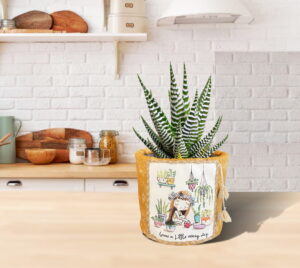
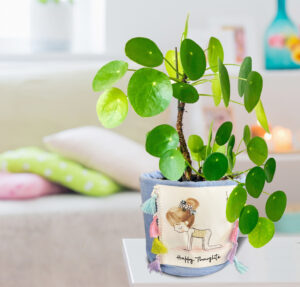
- Vibrant textures and https://thebonrushs.co.uk elevate modern living spaces with artistry
- The Allure of Woven Textures
- The Importance of Natural Fibers
- Layering Textures for Depth and Dimension
- Color and Texture: A Symbiotic Relationship
- The Role of Surface Finishes
- Exploring Unexpected Textures
- The Influence of Lighting on Texture
- Bringing Artistry into Modern Living – A Case Study
Vibrant textures and https://thebonrushs.co.uk elevate modern living spaces with artistry
In the realm of interior design, the impact of texture is often underestimated. It’s not simply about what we see, but also what we feel, and how different surfaces interact with light and space. A thoughtfully curated collection of textures can transform a house into a home, adding depth, warmth, and a personalized touch. This is precisely the philosophy behind https://thebonrushs.co.uk, a destination for those seeking to elevate their living spaces with artistry and quality. They specialize in bringing uniquely textured pieces into the home, focusing on materials and designs that inspire and endure.
The modern aesthetic often leans towards minimalism, but that doesn’t mean it has to be devoid of character. In fact, incorporating texture is vital to preventing a minimalist space from feeling cold or sterile. From tactile fabrics to richly patterned wallpapers, the possibilities are endless. The key is to layer these elements in a way that feels intentional and harmonious, creating a space that is both visually appealing and emotionally inviting. The offerings from this company reflect a dedication to providing just such pieces, aimed at broadening the horizons of what modern living can be.
The Allure of Woven Textures
Woven textures introduce an immediate sense of warmth and comfort. Think of the inviting appeal of a chunky knit throw blanket, the subtle complexity of a rattan chair, or the natural beauty of a jute rug. These materials add visual interest and invite touch, encouraging relaxation and a feeling of groundedness. Woven elements are incredibly versatile, complementing a wide range of design styles, from bohemian and rustic to contemporary and Scandinavian. They can soften harsh lines, balance cool colors, and add a layer of organic appeal to any room. The variations within woven textures themselves are substantial, allowing for nuanced expressions of style. Different weaving techniques, fiber types, and color palettes can dramatically alter the overall effect, ensuring there’s a woven texture to suit every taste and aesthetic.
The Importance of Natural Fibers
Within the realm of woven textures, natural fibers like wool, cotton, linen, and jute hold a special place. These materials not only offer a beautiful aesthetic but also bring environmental benefits. They are often sustainable, biodegradable, and require less processing than synthetic alternatives. Natural fibers also tend to have a unique texture that synthetic materials struggle to replicate. The subtle variations in yarn thickness, the inherent softness of certain fibers, and the way they interact with light all contribute to a richer, more authentic feel. Choosing natural fiber textiles is a simple but effective way to introduce a touch of nature into your home, fostering a sense of calm and well-being.
| Material | Texture Profile | Durability | Common Uses |
|---|---|---|---|
| Wool | Soft, plush, insulating | High | Rugs, blankets, upholstery |
| Cotton | Smooth, breathable, absorbent | Moderate | Bedding, curtains, towels |
| Linen | Crisp, cool, slightly textured | Moderate | Curtains, upholstery, bedding |
| Jute | Coarse, durable, natural | High | Rugs, baskets, wall hangings |
Beyond their functional benefits, these materials align with a growing consumer desire for ethical and sustainable products, enhancing the overall value proposition.
Layering Textures for Depth and Dimension
Creating a truly captivating interior design scheme often comes down to the art of layering textures. It's not enough to simply incorporate a few textured elements; you need to consider how they interact with each other and with the surrounding space. This is about creating visual harmony while also introducing an element of surprise and intrigue. Start with a neutral base – think painted walls, plain flooring, and simple furniture – and then gradually build up layers of texture through textiles, accessories, and architectural details. For example, you might combine a velvet sofa with a linen throw, a knitted cushion, and a sisal rug. The contrast between the different textures will create a dynamic and inviting space. Remember to consider scale and proportion as well. A large, heavily textured rug can ground a room, while smaller textured accessories can add pops of interest and visual layering.
Color and Texture: A Symbiotic Relationship
While texture is often considered independently of color, the two are inextricably linked. Color can amplify or diminish the effect of texture, and vice versa. For example, a textured surface in a bright color will appear more vibrant and energetic, while a textured surface in a muted tone will feel more subtle and sophisticated. Consider using color to highlight or downplay certain textures. If you want to draw attention to a beautiful woven wall hanging, choose a color that contrasts with the surrounding wall. If you want to create a calming and restful space, opt for a monochromatic color scheme with varying textures. Experimenting with different combinations will help you discover the perfect balance for your own personal style. The possibilities are endless and the key is to play with contrast and harmony.
- Utilize a neutral color palette to allow textures to stand out.
- Incorporate metallic accents for visual intrigue.
- Mix matte and glossy finishes for contrast.
- Layer different scales of texture for depth.
A successful approach often involves aiming for a balance between visual stimulation and restful calm, ensuring the space feels inviting and comfortable.
The Role of Surface Finishes
Beyond textiles, the finishes of surfaces themselves contribute significantly to the overall texture of a room. Consider the difference between smooth, polished concrete and rough, exposed brick. Or the contrast between glossy ceramic tiles and matte, hand-glazed pottery. These surface finishes can dramatically impact the way light bounces around a space, and how it feels to the touch. When selecting surface finishes, think about the overall mood you want to create. Smooth, polished surfaces tend to feel modern and sleek, while rough, textured surfaces feel more rustic and organic. You can also use surface finishes to create focal points or to delineate different areas within a room. For instance, a feature wall clad in textured wood can add warmth and visual interest to a living space, while a polished concrete floor can provide a sense of spaciousness and modernity.
Exploring Unexpected Textures
Don't be afraid to experiment with unexpected textures in your interior design. Look beyond traditional materials and explore unconventional options like reclaimed wood, metal panels, or even textured paint. These unexpected elements can add a unique and personal touch to your space, setting it apart from the ordinary. Consider incorporating textured wallpaper with subtle patterns or reliefs, adding a touch of sophistication and depth. Or experiment with different types of plaster, like Venetian plaster, which creates a smooth, polished surface with a subtle, marble-like texture. Ultimately, the key is to be creative and to embrace the unexpected. When done well, unexpected textures can elevate a space from ordinary to extraordinary.
- Start with a vision for the overall aesthetic.
- Gather samples of different textures.
- Test the textures in different lighting conditions.
- Consider the practicality and durability of each option.
Thoughtful consideration of these factors can ensure the chosen textures contribute positively to the longevity and functional appeal of the interior.
The Influence of Lighting on Texture
Lighting plays a crucial role in how we perceive texture. Different types of light can emphasize or diminish the nuances of a surface, creating vastly different effects. For example, direct sunlight can highlight the imperfections and natural variations in a textured wall, while soft, diffused light can create a more subtle and uniform appearance. Experiment with different lighting schemes to see how they impact the textures in your space. Consider using spotlights to accentuate specific textured elements, or layering ambient lighting to create a warm and inviting atmosphere. The angle of the light is also important. Side lighting can cast dramatic shadows, emphasizing the depth and dimension of a textured surface, while top lighting can create a more even and consistent look. Artificial light sources also influence texture perception, and selecting bulbs with appropriate color temperatures is vital.
Bringing Artistry into Modern Living – A Case Study
Recently, a client requested a complete renovation of their city apartment, aiming for a sophisticated and inviting space. The initial design was quite stark – lots of gray tones and clean lines – but lacked warmth and personality. We implemented a design centered around textural elements, starting with a custom-built media unit featuring reclaimed wood. This provided an immediate focal point and a strong textural contrast to the smooth, painted walls. We then introduced a plush velvet sofa in a deep teal color, paired with linen cushions and a hand-knitted throw blanket. A large wool rug grounded the space, adding a sense of warmth and comfort. The result was a transformation; the apartment felt instantly more inviting and lived-in, demonstrating how thoughtful texture integration can breathe life into a modern aesthetic, much like the curated collection available at https://thebonrushs.co.uk.
This project showcased the power of layering different textures to create a harmonious and engaging space. By carefully considering color, scale, and lighting, we were able to achieve a look that was both modern and inviting, proving that texture isn't just about aesthetics—it’s about creating a space that truly feels like home. It highlighted the importance of personalized design and demonstrating how easily a carefully selected array of pieces can impact the overall atmosphere and functionality of a living space.